(and the one man left out of Cooperstown)
Baseball has always worshiped at the altar of numbers. The beauty of the game is that greatness isn’t hidden — it’s carved into the stat lines, written into the box scores, and preserved for anyone willing to look. And yet, sometimes, the numbers tell a story the gatekeepers don’t want to hear.
Case in point: the 100 extra-base hit season. Only eight players in the entire history of Major League Baseball have ever pulled it off. Eight. Out of the tens of thousands who’ve laced up cleats and taken a swing. The list reads like a Mount Rushmore of sluggers: Babe Ruth, Lou Gehrig, Jimmie Foxx, Hank Greenberg, Joe Medwick, Chuck Klein, Stan Musial… and Albert Belle.
Seven of those names hang in the Hall of Fame. The eighth was kicked off the ballot in two years.
Welcome to the Heavy Eight — baseball’s most exclusive power club, and the Hall of Fame’s most glaring omission.
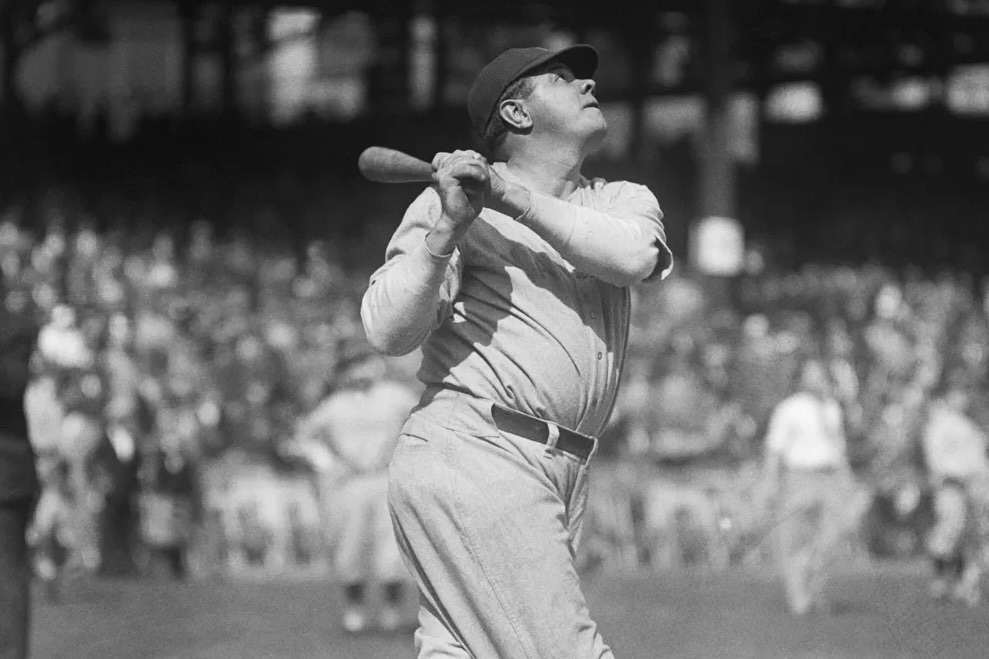
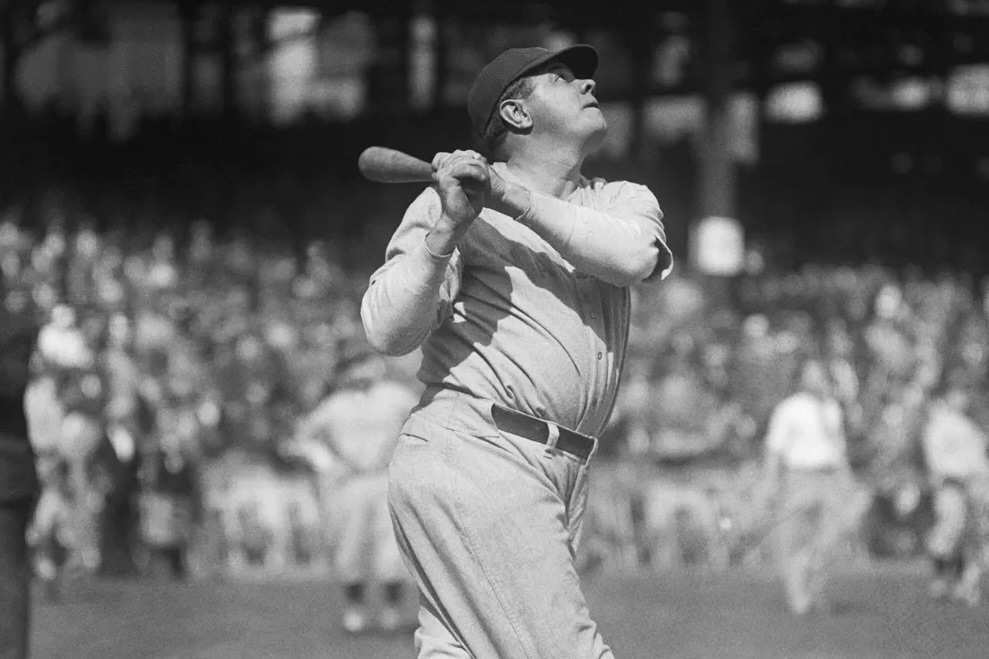
Babe Ruth – The Sultan of Everything
Start at the top, as all lists do, with Babe Ruth. In 1921, Ruth put together what might still be the single greatest offensive season ever: 119 extra-base hits (59 HR, 44 doubles, 16 triples). Nobody has touched it since. Ruth owned slugging like no other — he was the original outlier, the man who bent the game to his will. He didn’t just join the club, he founded it.
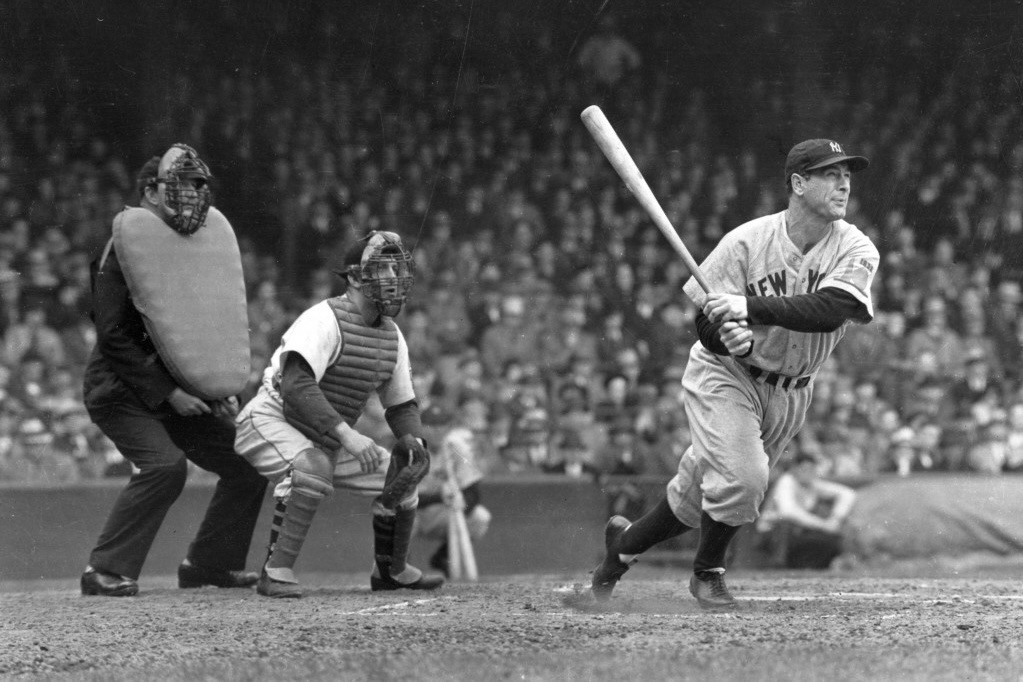
Lou Gehrig – The Iron Horse Swings Heavy
Gehrig didn’t just do it once — he did it twice. In 1927, the same year Ruth set the single-season home run record at 60, Gehrig stacked up 117 extra-base hits of his own. Three years later, in 1930, he did it again. Gehrig’s inclusion shows this wasn’t a gimmick or a one-off. He was a machine: gap power, over-the-fence power, RBI power. When Ruth was the thunder, Gehrig was the relentless storm that never let up.
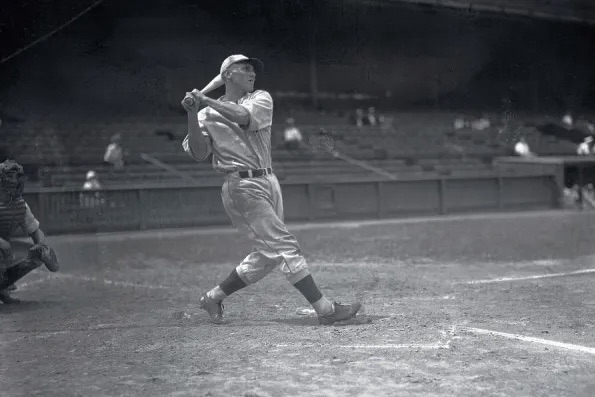
Chuck Klein – The Forgotten Bomber
Ask the average fan about Chuck Klein and you’ll get blank stares. But in 1930, the Phillies’ right fielder smashed 107 extra-base hits. That year was peak hitter-friendly — balls were flying everywhere — but Klein stood out even in a pinball environment. He ended up in Cooperstown, in part because of this kind of season that stamped his name alongside Ruth and Gehrig.
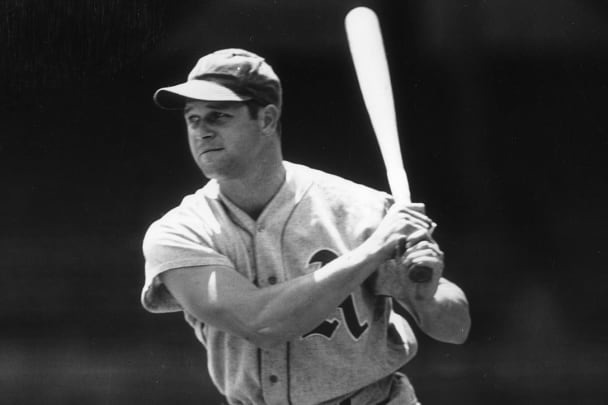
Jimmie Foxx – Double X Marks the Spot
Foxx hit like he was trying to break the ball in half. In 1932, he pounded 58 homers and finished with 105 extra-base hits total. “Double X” was every bit the heir to Ruth in terms of brute force. His 534 career home runs spoke loud enough that he was a lock for Cooperstown. His 1932 season only confirmed his spot in the Heavy Eight.
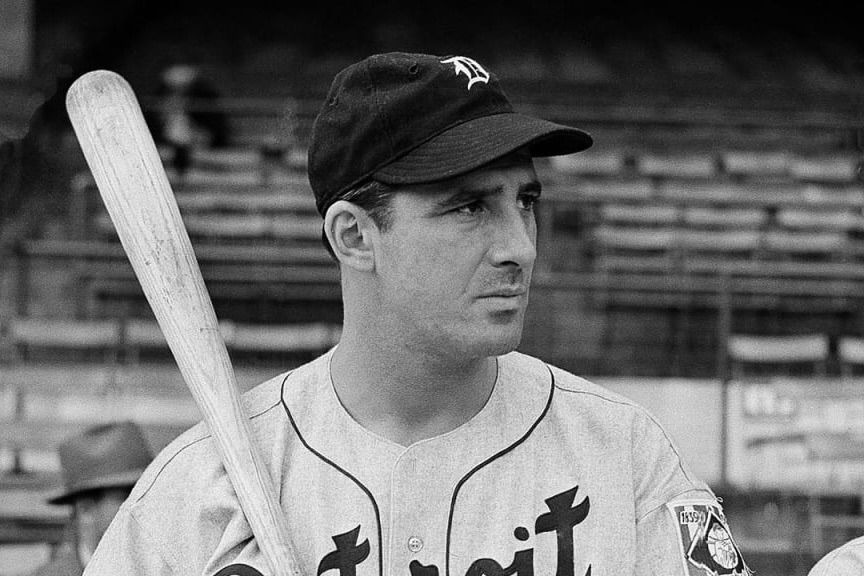
Hank Greenberg – The Hammer of Detroit
Greenberg’s 1937 campaign: 103 extra-base hits, powered by 49 doubles and 40 homers. What made Greenberg’s achievement so stunning is that he lost prime years to military service and still stacked enough to earn his plaque. That one heavy season shows what he might have done with a full career uninterrupted.
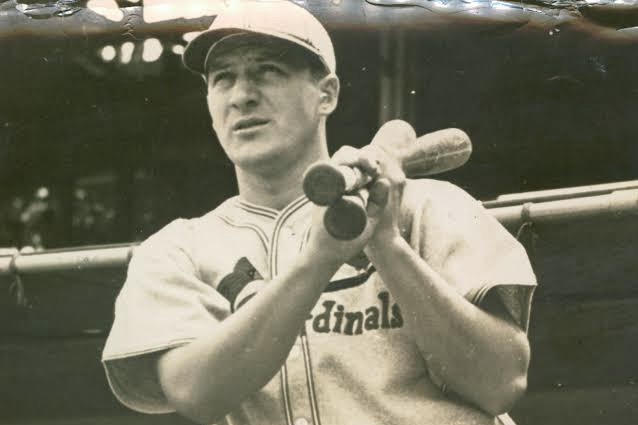
Joe Medwick – The Last NL Triple Crown
Medwick’s 1937 was historic for more than just the 103 extra-base hits. He also won the Triple Crown — the last National League player to do it. He wasn’t Ruth or Foxx in myth, but for that one year, he was untouchable. The Hall of Fame rewarded him accordingly.
Stan Musial – Stan the Man, Even in Power
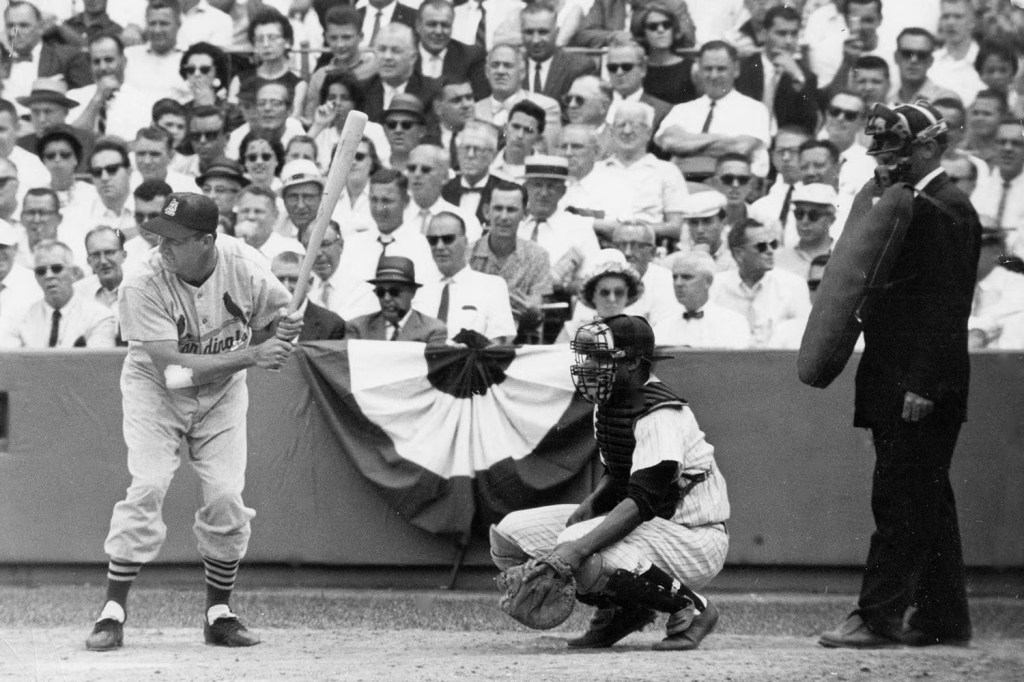
Musial is often remembered for line drives and pure hitting artistry, not brute strength. But in 1948, he turned in 103 extra-base hits (46 doubles, 39 homers, 18 triples). That year showed he could slug with the best of them, too. Musial wasn’t a one-dimensional hitter — he could beat you any way he wanted. The Heavy Eight had its Renaissance man.
Albert Belle – The Outcast With 103
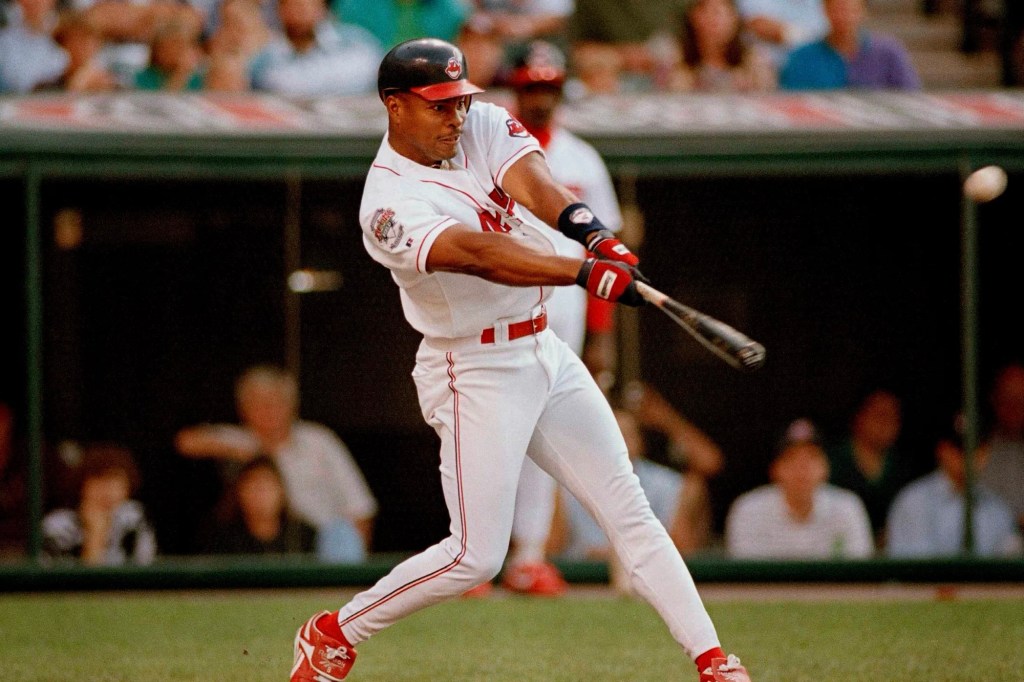
And then there’s the eighth member. Albert Belle, 1995.
It was a strike-shortened season. Teams played only 144 games. Belle suited up for 143 of them and proceeded to obliterate American League pitching: 50 doubles, 50 home runs, 126 RBIs, 121 runs scored, .317 batting average, .690 slugging. Do the math and he finished with 103 extra-base hits.
Think about that for a second. Babe Ruth needed 152 games in 1921. Lou Gehrig played full slates in his seasons. Belle did it in 19 fewer games. Stretch his pace over 162 and Belle lands around 116 extra-base hits — second only to Ruth, right ahead of Gehrig.
And oh yeah, he remains the only player in baseball history to hit 50 doubles and 50 homers in the same year. The only one.
That’s not “very good.” That’s historic. That’s generational. That’s Hall of Fame, no debate.
Seven Plaques, One Empty Spot
Here’s the part that doesn’t compute. Ruth, Gehrig, Klein, Foxx, Greenberg, Medwick, Musial — all in the Hall of Fame. Belle? He fell off the ballot in his second year of eligibility.
Not because of numbers. The numbers put him shoulder to shoulder with gods. His career OPS (.933) outpaces Hall of Famers like Ken Griffey Jr., Eddie Murray, Reggie Jackson, and Tony Gwynn. His peak was nuclear. His run from 1991–1999 is as good as almost any decade by anyone, ever.
No — Belle got left out because of personality. Because he glared at reporters. Because he didn’t play nice with the press. Because he was intense to the point of discomfort. The writers punished the man and ignored the numbers.
But the Heavy Eight doesn’t lie. Statistically, Belle belongs to a club that has only ever admitted legends. If you recognize the seven, you have to recognize the eighth.
The Heavy Eight Should Be Whole
Baseball’s story is told in its numbers. The 100 extra-base hit season is a marker of power, dominance, and immortality. That story includes Ruth, Gehrig, Klein, Foxx, Greenberg, Medwick, Musial… and Belle.
Cooperstown has chosen to look away from that truth. But the numbers remain, carved in stone. Until Albert Belle is enshrined, the Hall of Fame isn’t telling the whole story.
The Heavy Eight isn’t complete.


Leave a Reply